GO BACK
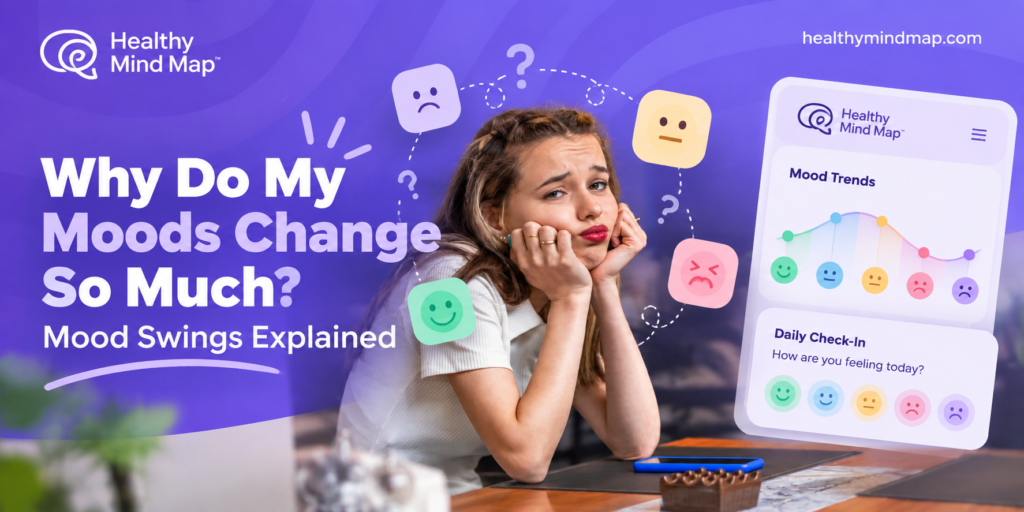
Why Do My Moods Change So Much? Mood Swings Explained
Moods naturally shift during the day, and everyday factors like poor sleep, stress, skipped meals, hormonal changes, alcohol


Moods naturally shift during the day, and everyday factors like poor sleep, stress, skipped meals, hormonal changes, alcohol and caffeine can make those shifts stronger. Mood swings can also be linked to mental health or medical conditions. If your mood changes are frequent, intense, feel out of your control, or affect your work or relationships, talk to a healthcare provider.
One minute you feel fine, the next you’re irritable, low or overwhelmed, and you can’t always say why. Mood swings are something almost everyone experiences at some point. Most of the time they have everyday causes that you can learn to spot and manage. Sometimes they’re a sign that something else needs attention.
This guide explains what mood swings are, what commonly causes them, how tracking can help you understand yours, and when it’s time to get support.
Feel a mood swing coming on? Try a 2-minute guided breathing exercise, free in the app.
Mood swings are noticeable changes in how you feel, sometimes over a few hours, sometimes from one day to the next. You might go from cheerful to irritable, calm to anxious, or content to low, often more quickly or strongly than the situation seems to call for.
Mood swings can be a normal part of life, or a sign of another condition. The difference usually comes down to how often they happen, how intense they are, and how much they affect your daily life.
Yes. Your mood naturally responds to what’s happening around you and inside your body. Feeling a dip in the afternoon, frustration after a stressful call, or a lift after time with a friend is all part of being human.
| Usually part of everyday life | Worth paying closer attention to |
|---|---|
| Mood shifts that match what’s happening | Strong shifts with no clear reason |
| You feel back to normal within hours | Low or high moods that last for days |
| They don’t stop you from working or socializing | They affect work, school or relationships |
| You feel mostly in control | You feel out of control or overwhelmed |
If your experience sounds more like the right-hand column, it’s a good reason to keep a record and talk to a professional.
Mood swings rarely have a single cause. Often, a few factors stack up at once.
Short or poor-quality sleep is one of the most common reasons people feel more irritable, anxious or low the next day. Even one rough night can make small frustrations feel bigger.
Ongoing pressure from work, money, relationships or caregiving can leave you with less emotional “buffer,” so you react more strongly to everyday events.
Skipping meals or going a long time without eating can leave you feeling shaky, irritable or low. Blood sugar problems, such as those linked to diabetes, can also affect mood.
Hormone shifts during adolescence, the menstrual cycle, pregnancy, after giving birth and around menopause can all affect mood.
Alcohol and cannabis can affect mood both while you’re using them and afterward, and quitting can cause temporary mood changes too. Some medications can also affect mood. Never stop or change a prescribed medication without talking to your doctor first.
Frequent or intense mood swings can be associated with conditions such as depression, anxiety, bipolar disorder, ADHD, borderline personality disorder and PTSD, among others. Having mood swings doesn’t mean you have any of these conditions. Only a qualified professional can make that assessment.
Some physical health conditions can also affect mood, including thyroid problems, migraine and certain brain conditions. This is one reason a check-up with a doctor is a good idea if mood swings are new or getting worse.
When moods change quickly, it’s hard to remember later what happened or why. A simple mood log turns vague impressions (“I’ve been all over the place lately”) into something you can actually look at.
To understand mood swings, track:
Find out what’s behind your mood swings. Log moments as they happen and see your patterns.
Knowing the difference between a mood, an emotion and a feeling also helps here. Short emotional spikes are different from a mood that colors the whole day, and your log can show which you’re experiencing.
After two to four weeks, look for patterns. Do swings follow short nights or skipped meals? Do they cluster around certain days, people or times of the month? Our step-by-step guide on how to track your mood covers the full setup, including a free template.
In Healthy Mind Map, you can add a “Moment” the second your mood shifts, so you capture the trigger while it’s fresh. The Analytics tab then shows how your mood moves over one week to six months.
These everyday habits won’t fix every mood swing, but they help many people feel more balanced:
Small daily habits that improve mental health add up over time, and your mood log will show you which ones make the biggest difference for you.
Healthy Mind Map includes short guided breathing exercises, such as box breathing and balanced breath, that you can use the moment you feel a swing coming on.
Many people worry that frequent mood swings mean bipolar disorder. Everyday mood swings and bipolar disorder are not the same thing.
Everyday mood swings tend to be shorter, often lasting minutes to hours, and are usually connected to what’s going on, like stress, sleep or hunger. Bipolar disorder is a mental health condition that involves distinct periods, or episodes, of very low mood and of unusually high or irritable mood and energy. These episodes typically last days or longer and can significantly affect daily life.
Only a qualified professional can tell the difference and make a diagnosis. If you’ve noticed periods of unusually high energy, needing much less sleep than usual, racing thoughts, or acting in ways that feel out of character, along with low periods, talk to a doctor or mental health professional. Bringing a record of your moods over several weeks can be very helpful for that conversation.
Talk to a doctor, therapist or counselor if your mood swings:
It’s also worth getting checked if your mood swings are new and you’re not sure why, or if they started after a change in medication or health.
Describing weeks of ups and downs from memory is hard, especially if your mood has been unpredictable. A mood log gives your provider a clearer picture of how often your mood changes, how intense the changes are, and what tends to come before them.
In Healthy Mind Map, you can export your mood reports as a PNG image or PDF and share them through email, messaging or any app on your phone. You decide what to share and with whom. If you’re already in therapy, that record also helps you and your therapist see whether therapy is working over time.
Walk into your next appointment with weeks of mood history, not guesses. Track free today.
Why Do I Have Mood Swings for No Reason?
Mood swings that seem to come from nowhere often have causes that are easy to miss, such as poor sleep, skipped meals, stress, hormonal changes, alcohol or caffeine. Tracking your mood alongside these factors for a few weeks can reveal patterns. If swings remain unexplained or feel intense, talk to a healthcare provider.
Is It Normal to Have Mood Swings Every Day?
Small mood changes every day are normal. Frequent strong swings that affect your work, relationships or sense of control are worth discussing with a professional.
Can Lack of Sleep Cause Mood Swings?
Yes. Poor or short sleep is one of the most common triggers for irritability, low mood and anxiety the next day. Keeping a regular sleep schedule often helps mood feel more stable.
Are Mood Swings a Sign of Bipolar Disorder?
Not necessarily. Everyday mood swings are common and usually short-lived. Bipolar disorder involves distinct episodes of very low and unusually high mood or energy that last days or longer. Only a qualified professional can make a diagnosis.
How Can I Stop My Mood Swings?
You may not be able to stop every mood change, but regular sleep, regular meals, exercise, limiting alcohol and caffeine, and short breathing exercises help many people feel steadier. If mood swings continue or get worse, a professional can help find the cause and the right support.


Join Healthy Mind Map today. Your first step toward understanding your mental health.