Category: Application

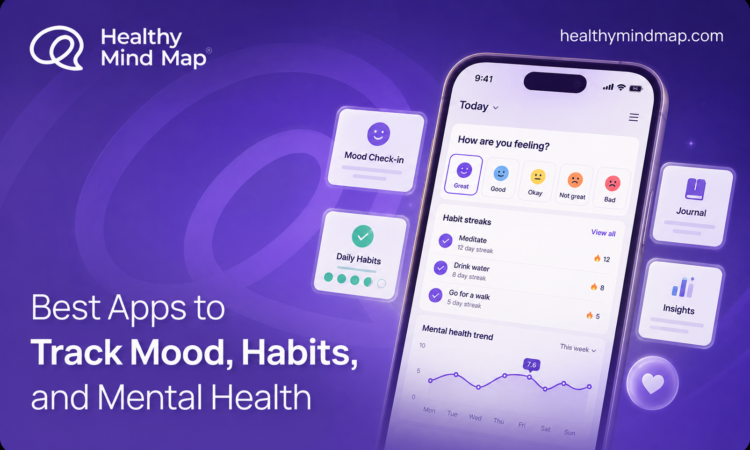
Best Apps to Track Mood, Habits, and Mental Health

Tracking your mood isn’t about collecting data for its own sake — it’s about finally seeing the patterns that explain why some days feel heavier than others. The right tracking app turns vague feelings like “I’ve been off lately” into something concrete: a graph, a trend, a trigger you can actually name and work on.

We looked at the most-used mood, habit, and mental health tracking apps in the USA to see which ones actually help people understand themselves better, starting with the one purpose-built for tracking real therapeutic progress.

1. Healthy Mind Map — Best for Tracking Mood, Habits, and Therapy Progress Together

Most tracking apps do one thing well: log a mood, log a habit, or log a journal entry. Healthy Mind Map was designed to connect all three, so the picture you build isn’t fragmented.

Here’s what makes its tracking approach stand out:

  • Daily mood check-ins that take about a minute, designed so consistency is actually realistic.
  • Activity tracking that shows which habits are genuinely correlated with better or worse days, instead of guessing.
  • Structured assessments that mirror the kind of tools therapists already use, so your data has real clinical value.
  • Biometric syncing with Apple Health and Google Fit, layering sleep and activity data on top of your emotional check-ins.
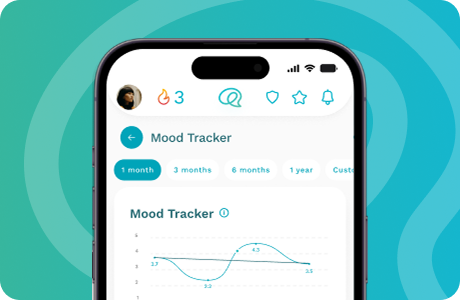
  • Trend analytics that visualize weeks or months of data, so patterns become obvious instead of buried in memory.
  • Trusted circle sharing, letting you choose exactly what a therapist, partner, or family member can see.

Because it was built around the actual therapy process, Healthy Mind Map is especially useful if you want your tracking habit to translate into something your provider can use, rather than data that just sits in an app. If you’re comparing this to general “best mental health apps,” our roundup of the best mental health apps in the USA puts it head-to-head with therapy platforms and meditation apps too.

Best for: Anyone who wants mood, habits, and therapy progress tracked in one connected place.

2. Daylio — Best for Fast, Icon-Based Mood Logging

Daylio is built for speed. Instead of typing, you tap icons representing your mood and the activities behind it, which makes it one of the fastest ways to build a consistent logging habit, even on a busy day.

Best for: People who want the lowest-effort way to track mood without writing.

3. Moodfit — Best for a Customizable Toolkit

Moodfit lets you combine mood tracking with CBT exercises, gratitude logs, and goal-setting tools, so you can build a tracking routine that matches your specific goals rather than a one-size-fits-all format.

Best for: People who want to mix tracking with a broader self-improvement toolkit.

4. Sanvello — Best for Tracking Anxiety and Depression Symptoms

Sanvello pairs CBT-based programs with a mood tracking dashboard specifically designed around anxiety and depression symptom monitoring, giving users a structured way to watch progress over time.

Best for: Users specifically managing anxiety or depression who want symptom-focused tracking.

5. Youper — Best for AI-Assisted Emotional Check-Ins

Youper combines short AI conversations with mood logging, helping users quickly identify what they’re feeling and why, before the moment passes.

Best for: People who prefer a conversational check-in over a static form.

6. Woebot — Best for Habit-Building Through Conversation

Woebot uses guided, chatbot-style conversations to reinforce CBT techniques and habit-building exercises, making tracking feel more like a daily check-in than a chore.

Best for: Users who respond better to conversational prompts than blank journal pages.

7. Headspace — Best for Tracking Mindfulness Habits

While best known for meditation, Headspace also includes habit and streak tracking tied to mindfulness practice, helping users stay consistent with daily sessions.

Best for: People focused specifically on building a meditation habit.

8. Calm — Best for Tracking Sleep and Relaxation Habits

Calm includes streak tracking and habit reminders tied to its sleep stories, breathing exercises, and relaxation content, which is useful if your main tracking goal is sleep consistency.

Best for: Users prioritizing sleep and relaxation habits over emotional tracking.

9. BetterHelp — Best for Tracking Progress Alongside a Therapist

BetterHelp isn’t a tracking app in the traditional sense, but its messaging-based therapy format allows users to build an ongoing record of their progress directly with a licensed therapist over time.

Best for: People who want progress tracking to happen inside the therapy relationship itself.

What Makes a Tracking App Actually Useful?

A mood or habit tracker is only as good as the insight it gives back to you. When comparing apps, look for:

  • Consistency-friendly design — if logging takes more than a minute, you’re less likely to stick with it.
  • Pattern recognition, not just data storage — the app should show you trends, not just a list of past entries.
  • The ability to share selectively with a therapist or support person, without losing control of your privacy.
  • Integration with real health data, like sleep and activity, for a fuller picture.

This is exactly the gap Healthy Mind Map was built to close. To see how its daily check-in flow works in practice, take a look at our breakdown of the top 10 daily mood check-in apps in the USA.

Frequently Asked Questions

What’s the difference between a mood tracker and a habit tracker?

A mood tracker logs how you feel, while a habit tracker logs what you do. The most useful apps, including Healthy Mind Map, connect the two so you can see how specific habits actually influence your mood over time.

How long does it take to see useful patterns from tracking?

Most users start noticing meaningful patterns after two to four weeks of consistent daily check-ins, which is why ease of use and short check-in times matter so much when choosing an app.

Can my therapist see my tracking data?

With Healthy Mind Map, that’s entirely your choice. You can invite a therapist or trusted person into your circle and decide exactly what they can see, so tracking supports your sessions without sacrificing privacy.

Do I need to track every single day for it to work?

Consistency helps, but missing a day or two won’t undo your progress. Apps designed for quick, under-a-minute check-ins, like Healthy Mind Map, make it easier to stay consistent without it feeling like a burden.

Is tracking my mood and habits actually backed by mental health professionals?

Structured mood and habit tracking mirrors techniques already used in therapy, like daily mood logs and behavioral activation. Healthy Mind Map’s assessments were specifically designed to reflect tools therapists already trust. You can read more in our FAQs.

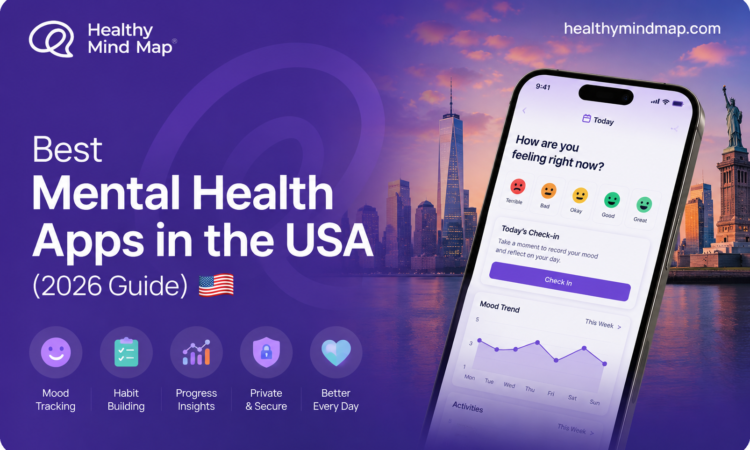
Best Mental Health Apps in the USA (2026 Guide)

Mental health support used to mean one option: a weekly appointment, if you could get one. Today, millions of Americans carry a form of mental health support in their pocket. The challenge isn’t finding a mental health app anymore — it’s finding the right one out of the thousands now available.

We tested, compared, and researched the apps people in the USA actually rely on in 2026, looking at how each one helps with mood tracking, therapy progress, habit building, and emotional insight. Here’s our honest breakdown, starting with the app built specifically to help you and your support circle see real progress: Healthy Mind Map.

1. Healthy Mind Map — Best Overall for Tracking Therapy Progress

Healthy Mind Map was built differently from most apps on this list. Instead of being a general wellness app with a mood tracker bolted on, it was created by people who sat through real therapy sessions and wanted a way to carry what they learned beyond the therapy room.

What sets Healthy Mind Map apart:

  • Daily mood check-ins that take under a minute, so tracking never feels like a chore.
  • Structured assessments that help you and your provider measure real progress over time, not just guesswork.
  • Share with a trusted circle — invite a therapist, partner, or family member to see only what you choose to share, keeping you in control.
  • Biometric integration with Apple Health and Google Fit for a fuller picture of how sleep, activity, and mood connect.
  • Insightful analytics that turn weeks of check-ins into visual patterns you can actually act on.
  • Privacy-first design, with encrypted data and full control over who sees what.

Healthy Mind Map is especially valuable for people already in therapy who want to bring real, structured insight into each session, and for therapists who want a non-invasive way to understand a client’s life between appointments. You can explore everything it offers on the Healthy Mind Map features page, and if you’re deciding whether it fits your daily routine, our guide to the best apps to track mood, habits, and mental health breaks down exactly how its tracking tools compare to dedicated mood trackers.

Best for: People in active therapy, support circles, and anyone who wants their app-based insights to translate into real clinical progress.

2. Headspace — Best for Guided Meditation

Headspace remains one of the most recognized names in digital mental wellness, known for approachable, beginner-friendly guided meditations, sleep content, and structured mindfulness courses. It’s a strong pick if your main goal is building a calmer daily routine through meditation rather than structured emotional tracking.

Best for: Beginners who want an easy on-ramp into mindfulness and sleep support.

3. Calm — Best for Sleep and Relaxation

Calm built its reputation on soothing sleep stories, ambient soundscapes, and breathing exercises. It’s a relaxation-first app rather than a clinical tracking tool, making it a nice complement to something like Healthy Mind Map if you want both calm-in-the-moment tools and longer-term progress tracking.

Best for: Anyone looking to unwind before bed or manage in-the-moment stress.

4. BetterHelp — Best for Online Therapy Access

BetterHelp connects users directly with licensed therapists through messaging, video, or phone sessions, making it one of the largest teletherapy platforms in the country. It’s a strong option if your priority is talking to a licensed professional rather than self-guided tracking.

Best for: People who want ongoing, professional therapy delivered entirely online.

5. Talkspace — Best for Insurance-Covered Therapy

Talkspace operates similarly to BetterHelp but places a stronger emphasis on insurance partnerships, making professional therapy more financially accessible for many U.S. users.

Best for: Users who want online therapy and may be able to use insurance to cover part of the cost.

6. Sanvello — Best for CBT-Based Mood Tools

Sanvello combines CBT-based exercises with mood tracking dashboards and guided self-care programs, giving users a structured toolkit for managing anxiety and depression symptoms day to day.

Best for: People who want CBT techniques paired with basic mood logging.

7. Woebot — Best for AI-Guided Conversations

Woebot uses a chatbot-style format to deliver psychoeducation and CBT-based conversations, helping users learn cognitive techniques in small, digestible interactions throughout the day.

Best for: People who like learning through structured, conversational exercises.

8. Youper — Best for AI Emotional Check-Ins

Youper pairs short AI-guided conversations with mood tracking to help users identify emotional patterns and practice quick reframing techniques in the moment.

Best for: Users who want a fast, conversational way to check in on their emotions.

9. Daylio — Best for Simple Habit and Mood Logging

Daylio strips mood tracking down to icons and quick taps, letting users log how they feel and what they did without typing a single word. It’s a popular choice for people who want a journal-like habit without the writing.

Best for: People who want the fastest possible way to log mood and daily activities.

10. Moodfit — Best for Customizable Mental Fitness Tools

Moodfit offers a toolbox-style approach, letting users mix and match CBT exercises, gratitude practices, and mood tracking based on their personal goals.

Best for: Users who want to build a personalized toolkit from a menu of evidence-informed exercises.

How to Choose the Right App for You

Every app above solves a slightly different problem. Before downloading one, ask yourself:

  • Do I want to track my mental health over time, or do I need immediate, in-the-moment support?
  • Am I currently in therapy and want my app to support that relationship, or am I looking for a fully self-guided tool?
  • Do I want to share progress with a therapist or support person, or keep everything private to myself?
  • Is meditation and relaxation my main goal, or am I trying to understand emotional patterns and triggers?

If your answer leans toward tracking real progress, staying accountable, and involving the people who support you, Healthy Mind Map is built specifically for that. For a deeper look at how its check-in tools stack up against dedicated trackers, see our top 10 daily mood check-in apps roundup.

Frequently Asked Questions

What is the most effective mental health app in the USA?

Effectiveness depends on your goal. For tracking therapy progress and involving a support circle, Healthy Mind Map is built specifically for that purpose. For meditation, Headspace and Calm are popular choices, and for direct access to licensed therapists, BetterHelp and Talkspace lead the category.

Can a mental health app replace therapy?

No. Mental health apps are valuable for daily support, mood tracking, and building healthy habits, but they aren’t a substitute for a licensed clinician, especially for diagnosis or treatment of more complex conditions. Many of the apps on this list, including Healthy Mind Map, are designed to complement therapy rather than replace it.

Are mental health apps covered by insurance?

Some apps, like Talkspace and certain Calm or Headspace plans, partner with insurance providers. Always check your specific plan, as coverage varies widely across providers and states.

Is my data private when using a mental health app?

Privacy practices vary by app, so it’s worth checking before you sign up. Healthy Mind Map encrypts user data and gives you full control over exactly what you share and with whom, which is something to look for in any app you trust with sensitive information.

What should I look for before downloading a mental health app?

Look for evidence-informed features, clear privacy policies, and a format that matches how you actually want to engage, whether that’s daily check-ins, guided meditation, or therapist access. You can learn more about how this works in our FAQs page.

Mood Tracking App vs. Therapy: Why You Likely Need Both

Mental health support has evolved significantly over the last decade. Today, individuals have access to more tools than ever before to better understand their emotional well-being. From traditional therapy to digital wellness platforms, people can now take a more proactive role in managing their mental health. 

One question continues to appear across online forums, Reddit discussions, and wellness communities: Mood Tracking App vs. Therapy, which one is better? 

The answer is not as simple as choosing one over the other. 

Many people assume they must choose between using a mood tracker app and working with a therapist. In reality, these approaches serve different purposes. A mood tracking app can help you understand your emotional patterns, while therapy can help you process, interpret, and address deeper challenges. 

Rather than viewing it as a competition, it may be more helpful to think of Mood Tracking App vs. Therapy as a partnership. When used together, they can provide a more complete picture of emotional health. 

Understanding the Role of a Mood Tracking App 

A mood tracking app is designed to help individuals record and monitor their emotions over time. Instead of relying on memory alone, users can document daily feelings, energy levels, habits, stressors, and emotional responses. 

Many people begin with a simple daily mood tracker because they want to understand why their mood changes throughout the week. Others may use an emotion tracking app to identify emotional triggers or behavioral patterns. The primary goal of a mood tracker app is awareness. 

For example, after several weeks of using a mental health tracker app, a person may discover that poor sleep consistently affects mood, or that work-related stress increases anxiety levels. These observations are difficult to identify without consistent tracking. This is why mental health tracking apps have become increasingly popular in recent years. 

What Therapy Provides That Apps Cannot? 

While a mood monitoring app can reveal patterns, therapy provides interpretation and guidance. 

A therapist helps individuals understand the meaning behind emotional experiences, thought processes, and behavioral responses. Therapy creates space to explore challenges, develop coping skills, and address underlying concerns. 

Many people use a therapy tracking app or mental health tracker app alongside therapy because it provides useful information between sessions. 

For example, someone may bring data from a daily mood tracker into a therapy appointment. Instead of trying to remember how they felt over the past month, they can review actual emotional patterns and experiences. 

This often leads to more productive discussions and better insights. The difference between a mood tracking app and therapy is not that one is better than the other. They simply serve different functions. 

Why Self-Awareness Comes Before Change? 

One reason Mood Tracking App vs. Therapy is such an important discussion is because emotional awareness is often the first step toward improvement. Many individuals struggle to describe their emotions accurately. They know they feel stressed, anxious, or overwhelmed, but they cannot identify exactly when those feelings appear or what causes them. 

This is where an emotion tracking app becomes valuable. By consistently using a mood tracker app, individuals develop a clearer understanding of their emotional experiences. A daily mood tracker can reveal recurring patterns that would otherwise go unnoticed. 

For example: 

  • Anxiety increases before certain meetings 
  • Mood declines after poor sleep 
  • Stress levels rise during specific situations 

A quality anxiety tracker app helps transform vague feelings into measurable observations. These insights become extremely useful during therapy sessions. 

Why Therapy Benefits From Emotional Tracking? 

Therapists often work with limited information. Most sessions happen once a week or every few weeks, which means clients must recall emotional experiences from memory. This is where mental health tracking apps can enhance the therapeutic process. 

Using a therapy tracking app or emotion tracking app creates a record of emotional patterns between sessions. This information helps therapists identify trends and develop more personalized strategies. 

For example, a person using an anxiety tracking app may discover that anxiety spikes consistently after certain interactions. Bringing this information into therapy can create more focused conversations. 

Similarly, a mood monitoring app can help individuals recognize emotional improvements that might otherwise be overlooked. Therapy becomes more effective when it is supported by accurate self-awareness. 

What Makes the Best Mood Tracker App Useful? 

Not all tracking tools provide the same value. The best mood tracker app does more than simply record emotions. It helps users connect emotional experiences with daily habits, routines, and life events. 

Features commonly found in the best mood tracker apps include: 

  • Mood tracking 
  • Habit monitoring 
  • Emotional trend analysis 
  • Reflection tools 
  • Progress tracking 

A well-designed mental health tracker app helps users move beyond simple mood logging and toward meaningful self-awareness. This is why many people searching for a free mood tracker app eventually look for platforms that offer deeper insights. The value lies not just in collecting information, but in understanding it. 

Why Healthy Mind Map Fits Into This Conversation? 

Healthy Mind Map is designed around emotional awareness and structured self-reflection. Unlike platforms that focus exclusively on meditation or therapy services, Healthy Mind Map functions as an advanced mood tracking app and emotion tracking app that helps users observe patterns over time. 

Through emotional tracking, activity monitoring, and personal insights, the platform helps individuals build greater awareness of how habits and emotions interact. As a mental health tracker app, Healthy Mind Map encourages consistent reflection while supporting long-term personal growth. 

It is important to note that Healthy Mind Map does not provide therapy services. Instead, it complements therapy by helping users gather valuable insights about their emotional well-being. This makes it a useful addition to conversations about Mood Tracking App vs. Therapy because it supports awareness while therapy supports deeper exploration. 

Why You Probably Need Both 

The debate around Mood Tracking App vs. Therapy often assumes that one approach replaces the other. However, emotional wellness is rarely that simple. A mood tracking app helps individuals understand what is happening. Therapy helps individuals understand why it is happening and how to respond. 

  • A daily mood tracker can reveal patterns. 
  • An anxiety tracker app can identify triggers. 
  • A therapist can help interpret those findings and create strategies for growth. 

Together, they create a more complete support system. Rather than choosing between a mood tracker app and therapy, many people benefit from using both. 

Frequently Asked Questions 

1. What is the difference between a mood tracking app and therapy? 

A mood tracking app helps individuals monitor emotions and identify patterns, while therapy focuses on understanding, processing, and addressing emotional challenges. 

2. Can a mood tracker app replace therapy? 

No. A mood tracker app provides awareness and tracking tools, but it does not replace professional guidance or therapeutic support. 

3. What makes the best mood tracker app effective? 

The best mood tracker app helps users track emotions consistently, identify patterns, and connect emotional experiences with daily habits. 

4. Are free mood tracker apps worth using? 

Many free mood tracker app options provide valuable tracking features and can be an excellent starting point for emotional awareness. 

5. How does an anxiety tracker app help? 

An anxiety tracker app helps individuals monitor anxiety patterns, recognize triggers, and understand how different situations affect emotional well-being. 

Final Thoughts 

The question should not be Mood Tracking App vs. Therapy. The better question is how these tools can work together. A mood tracking app, emotion tracking app, or mental health tracker app helps individuals develop awareness. Therapy helps transform that awareness into understanding and growth. 

When combined, they create a stronger foundation for emotional well-being. Because the more clearly you understand your emotional patterns, the better equipped you become to create meaningful change. 

Free vs. Paid Mental Health Apps: What’s Actually Worth Paying For 

The mental wellness industry has experienced enormous growth over the last few years. Today, there are thousands of digital tools available to help people manage stress, improve emotional awareness, track habits, and build healthier routines. Whether someone is searching for a simple mood tracker, a meditation platform, or a full-featured counseling app, there is no shortage of options. 

This growth has created an important question for users: when comparing Free vs. Paid Mental Health Apps, is paying for premium features actually worth it? 

Many people begin with free mental health apps because they are accessible and easy to try. Others eventually upgrade to paid mental health apps hoping for more advanced features and deeper insights. However, not every premium subscription provides meaningful value. 

Understanding the differences between Free Mental Health Apps and Paid Mental Health Apps can help you make a smarter decision based on your personal goals and needs. 

Why Mental Health Apps Have Become So Popular 

The popularity of mental health apps continues to rise because people want convenient ways to support emotional well-being. Traditional wellness resources remain important, but digital tools provide accessibility that fits into everyday life. 

Many users explore apps for mental health because they want to: 

  • Improve emotional awareness 
  • Track mood changes 
  • Reduce stress 
  • Build healthier habits 
  • Monitor personal wellness goals 

The market now includes everything from apps for anxiety and meditation platforms to apps for depression and comprehensive wellness trackers. As a result, consumers are increasingly evaluating Free vs. Paid Mental Health Apps to determine which option provides the greatest value. 

What Free Mental Health Apps Usually Offer? 

Most Free Mental Health Apps are designed to introduce users to emotional tracking and wellness practices without requiring financial commitment. 

Common features found in mental health apps free include: 

  • Basic mood tracking 
  • Daily check-ins 
  • Journaling tools 
  • Simple habit tracking 
  • Educational resources 

Many best free mental health apps provide enough functionality for individuals who are just beginning their wellness journey. 

For example, someone looking for a basic depression app may find that a free version provides sufficient tracking tools. Similarly, many free health apps include mindfulness exercises and self-guided reflection activities. 

The advantage of free mental health apps is accessibility. Users can explore different platforms before deciding whether advanced features are necessary. 

What Paid Mental Health Apps Usually Offer? 

While Free Mental Health Apps provide a strong starting point, Paid Mental Health Apps often include more sophisticated tools. 

Premium subscriptions may offer: 

  • Advanced analytics 
  • Personalized insights 
  • Expanded tracking features 
  • Additional wellness resources 
  • Detailed progress reports 

Many of the best mental health apps use premium plans to provide deeper data analysis and long-term trend visualization. 

This distinction is important because not all users need advanced functionality. However, individuals focused on long-term emotional awareness often find value in enhanced mental health app features. 

When evaluating Free vs. Paid Mental Health Apps, the question becomes whether those extra features support your specific goals. 

When Free Mental Health Apps Are Enough? 

For many individuals, free mental health apps provide everything necessary to begin improving self-awareness. 

You may not need a paid subscription if your primary goals include: 

  • Tracking moods occasionally 
  • Journaling thoughts 
  • Learning basic wellness habits 
  • Exploring mindfulness techniques 

Many best free mental health apps offer excellent introductory experiences. Someone using apps for anxiety for occasional stress management may find that a free version meets their needs completely. 

Similarly, users interested in simple health and wellness apps often discover that free plans provide substantial value. In these situations, upgrading to Paid Mental Health Apps may not be necessary. 

When Paid Mental Health Apps Become Worth It? 

There are situations where Paid Mental Health Apps can provide meaningful benefits. If you are committed to long-term emotional growth, advanced tracking, and detailed insights, premium tools may be worthwhile. 

For example, users who consistently monitor emotional patterns often benefit from enhanced mental health app features such as: 

  • Pattern recognition 
  • Behavioral correlations 
  • Custom reporting 
  • Expanded wellness resources 

This is particularly relevant for individuals using apps for depression, apps for anxiety, or comprehensive wellness tracking systems. The value of Paid Mental Health Apps often depends on consistency. Users who engage regularly are more likely to benefit from advanced functionality. 

What About Therapy and Counseling Apps? 

One area where pricing varies significantly involves free therapy apps, best therapy apps, and counseling app platforms. Some free therapy app solutions provide educational resources, guided exercises, or peer support communities. However, platforms that connect users to licensed professionals typically involve subscription fees or session-based pricing. 

When comparing Free vs. Paid Mental Health Apps, it is important to distinguish between self-guided wellness tools and professional services. Many best therapy apps charge because they provide access to qualified professionals rather than simply offering digital resources. Understanding this difference helps users make informed decisions. 

How to Evaluate Mental Health App Features? 

Instead of focusing only on price, it is often more useful to evaluate the actual mental health app features being offered. 

Ask yourself: 

  • Will I use these features regularly? 
  • Do they support my goals? 
  • Will they improve my awareness or consistency? 
  • Am I paying for functionality I genuinely need? 

Some health and wellness apps offer dozens of premium features that many users never use. Others provide focused tools that deliver significant value. The best approach is to evaluate how each feature supports your personal wellness objectives. 

Why Healthy Mind Map Takes a Different Approach? 

Healthy Mind Map focuses on structured emotional awareness rather than overwhelming users with unnecessary complexity. 

Instead of trying to be everything at once, the platform emphasizes: 

  • Emotional tracking 
  • Daily activity awareness 
  • Personal insights 
  • Pattern recognition 
  • Wellness resources 

For individuals comparing Free vs. Paid Mental Health Apps, this distinction is important because it aligns the platform with personal growth rather than direct clinical services. 

Final Thoughts 

The debate around Free vs. Paid Mental Health Apps ultimately comes down to value rather than price. Many free mental health apps offer excellent starting points for emotional awareness and self-reflection. At the same time, Paid Mental Health Apps can provide advanced tools that support deeper insights and long-term growth. 

The most important factor is not whether an app is free or paid. It is whether the platform helps you stay consistent, build awareness, and move closer to your personal wellness goals. The best mental wellness tool is the one you actually use. 

Frequently Asked Questions 

1. What is the difference between Free Mental Health Apps and Paid Mental Health Apps? 

Free Mental Health Apps typically provide basic tracking and wellness tools, while Paid Mental Health Apps often include advanced analytics, personalized insights, and expanded features. 

2. Are free mental health apps effective? 

Yes. Many best free mental health apps provide valuable tools for mood tracking, journaling, and emotional awareness. 

3. When are paid mental health apps worth the cost? 

Paid Mental Health Apps are often worth it for users who want advanced tracking, long-term insights, and expanded wellness resources. 

4. Are free therapy apps really free? 

Some free therapy apps provide educational content and self-help resources, but platforms involving licensed professionals usually require payment. 

5. What should I look for in mental health app features? 

Useful mental health app features include emotional tracking, habit monitoring, progress insights, and tools that support your personal wellness goals. 

Why Consistency Matters in Mental Health Apps

Mental health awareness has increased significantly in recent years, and with it, the use of digital tools designed to support emotional well-being. From a simple mental health app to advanced therapy app platforms, people now have more access than ever to tools that help them reflect, track, and manage their emotional health. 

However, one major challenge remains: consistency. 

Many individuals download one of the best apps for mental health, use it for a few days, and then stop. They try different wellness apps, explore apps for anxiety, or experiment with free mental health apps, but struggle to maintain long-term engagement. 

This raises an important question: if these tools are so helpful, why do people stop using them? 

The answer lies in understanding why consistency is essential when using any mental health tracker app or digital wellness platform. 

Why Mental Health Apps Are Designed for Long-Term Use? 

A mental health app is not designed to deliver instant results. Whether it is one of the top mental health apps or a simple self-help apps platform, its purpose is to build awareness over time. 

Emotional patterns are not created in a single day, and they cannot be understood in a single session. This is why therapy app platforms, counseling apps, and apps for depression and anxiety emphasize regular engagement. 

For example, when someone uses apps for depression, they begin to track mood changes, emotional triggers, and daily habits. Over time, this information becomes meaningful. Without consistency, the data remains incomplete. That is why the best apps for mental health are built to support daily or weekly use rather than occasional check-ins. 

What Happens When You Are Not Consistent? 

When individuals stop using a mental health tracker app, they lose the opportunity to identify emotional patterns. For instance, someone might use one of the anxiety relief apps for a few days and notice slight improvements.  

But if they stop tracking, they miss long-term insights such as: 

  • When anxiety levels increase  
  • What triggers stress  
  • Which habits improve mood  
  • How emotional patterns change over time  

The same applies to apps that help with depression. Without regular use, it becomes difficult to measure progress or understand emotional trends. Consistency is what transforms short-term observations into long-term awareness. 

Why People Struggle with Consistency? 

Even with access to the best therapy app or popular free mental health apps, many people struggle to stay consistent. 

There are several reasons for this: 

1. Expecting Immediate Results 

People often believe that using a therapy app or apps for anxiety will quickly improve their emotional state. When results are not immediate, motivation decreases. 

2. Overcomplicating the Process 

Some users try to do too much at once. They explore multiple wellness apps, switch between apps for depression, and test different counseling apps. This creates confusion instead of clarity. 

3. Forgetting to Build a Routine 

A mental health app becomes effective only when it is part of a daily habit. Without routine, usage becomes inconsistent. 

4. Avoiding Difficult Emotions 

Many individuals stop using apps that help with depression or anxiety relief apps when they begin to see patterns; they find uncomfortable. 

Understanding these challenges is the first step toward improving consistency. 

The Role of Routine in Mental Health Apps 

Consistency becomes easier when a mental health app is integrated into a daily routine. For example, using a mental health tracker app at the same time each day can create a habit. This could be in the morning, during a break, or before going to sleep. 

The most effective users of top mental health apps treat these tools as part of their daily routine, like exercise or sleep. This is why many self-help apps and stress relief apps include reminders or notifications. These features are designed to encourage consistent engagement. Routine transforms a simple tool into a reliable support system. 

How Consistency Improves Emotional Awareness? 

The real value of a mental health app lies in its ability to reveal patterns over time. 

For example, consistent use of apps for anxiety may show that stress increases during specific situations or times of day. Similarly, regular use of apps for depression and anxiety can highlight connections between sleep, activity, and mood. 

These insights are not visible without repeated tracking. This is also why counseling apps and best therapy app platforms encourage regular use. Emotional awareness grows gradually through repetition. 

Consistency allows individuals to: 

  • Recognize emotional triggers  
  • Track progress over time  
  • Improve coping strategies  
  • Build healthier routines  

Without consistency, these benefits remain limited. 

Choosing the Right App for Consistency 

Not all apps are designed the same way. Some are easier to use consistently than others. When selecting a mental health app, it is important to choose one that feels simple and sustainable. The best apps for mental health are those that fit naturally into your routine. 

Many individuals prefer free mental health apps or best apps for mental health free because they are accessible and easy to explore. Others may choose more advanced therapy apps or counseling apps depending on their needs. The key is not finding the most complex app, but finding one that you can use regularly. Consistency matters more than features. 

The Connection Between Consistency and Progress 

Emotional growth is not always visible in the short term. This is why many people underestimate the value of using mental health apps consistently. 

For example, someone using apps that help with depression may not notice immediate changes. However, after several weeks of consistent use, they may begin to see improvements in mood, awareness, and coping ability. 

Similarly, individuals using anxiety relief apps may learn how to manage stress more effectively over time. The best apps for mental health are designed to support gradual progress rather than quick results. Consistency allows individuals to see that progress. 

How to Stay Consistent with Mental Health Apps? 

Maintaining consistency does not require major changes. Small adjustments can make a big difference. 

Here are a few practical strategies: 

  • Use your mental health tracker app at the same time every day  
  • Start with simple tasks instead of exploring multiple wellness apps  
  • Set reminders within yourself help apps or stress relief apps  
  • Focus on progress rather than perfection  
  • Avoid switching between too many top mental health apps  

The goal is to make emotional tracking feel natural rather than forced. 

Final Thoughts 

Mental health apps have become an important part of modern emotional wellness. From apps for anxiety to apps for depression and anxiety, these tools offer accessible ways to understand and manage emotional well-being. 

However, their effectiveness depends on one key factor: consistency. Using a mental health app occasionally may provide temporary insight, but consistent use of a mental health tracker app creates meaningful awareness over time. 

Whether you are exploring top mental health apps, testing free mental health apps, or using the best therapy app, the most important step is to keep using it. Because when it comes to emotional well-being, small actions repeated consistently often lead to the biggest changes. 

Frequently Asked Questions 

1. Why is consistency important in a mental health app? 

Consistency helps individuals track emotional patterns over time, making it easier to understand mood changes and identify triggers. 

2. Are free mental health apps effective? 

Yes, many free mental health apps and best apps for mental health free provide useful tools for emotional tracking and self-awareness. 

3. Can a therapy app replace professional help? 

No. A therapy app or counseling apps can support awareness, but they should not replace professional care when needed. 

4. What are the best apps for mental health? 

The best apps for mental health are those that are easy to use, consistent, and aligned with your personal needs. 

5. How do anxiety relief apps help with stress? 

Anxiety relief apps provide tools such as breathing exercises, mood tracking, and relaxation techniques that support stress management. 

Headspace vs Healthy Mind Map: Which Mental Health App Is Right for You? (2026)

Headspace vs Healthy Mind Map: Overview

Choosing between mental health apps is not just about features — it is about what you actually need from your mental health journey.

Headspace launched in 2010 and became one of the most downloaded wellness apps in the world, with over 100 million users globally. Its core identity is rooted in guided meditation, mindfulness, and sleep support. In recent years, Headspace has added AI tools and coaching features, but meditation remains its foundation.

Healthy Mind Map was built from a completely different starting point. Its founders went through therapy themselves and recognized a critical gap: people needed a way to track and measure their healing progress between sessions, not just relax in the moment. The result is an outcome-driven mental health platform that turns daily check-ins, structured assessments, and habit tracking into meaningful, visible progress.

These are two very different apps serving two different purposes. This comparison breaks down exactly what each offers — and which one is the better fit for your goals in 2026.

Key Features Compared

Before diving deep, here is what each app brings to the table across the features that matter most for mental health support.

Headspace focuses on:

  • Guided meditation library (500+ meditations)
  • Sleep stories and sleep sounds
  • Mindful movement and yoga
  • Breathing exercises
  • AI companion (Ebb) for personalized recommendations
  • Basic self-care tracker
  • CBT technique exercises

Healthy Mind Map focuses on:

  • Daily mood check-ins and emotional tracking
  • Industry-standard mental health assessments
  • Custom activity and habit tracking
  • Biometric data integration (Apple Health & Google Fit)
  • Trusted Support Circle (share progress with family, friends, or therapist)
  • Analytics and trend reports showing what is and is not working
  • Wellness resource library (CBT tools, grounding exercises, breathing, meditation)
  • Therapist-facing portal for clinical insight between sessions

Headspace: What It Does Well

Headspace has built its reputation on one thing: making meditation approachable and consistent. For users who have never meditated before, Headspace removes the intimidation factor with structured beginner courses, gentle animations, and a calm interface that guides you step by step.

Where Headspace shines:

Meditation content depth. With over 500 guided meditations covering stress, focus, sleep, relationships, and more, Headspace offers one of the largest meditation libraries available. Daily content updates keep the experience feeling fresh and varied.

Sleep support. Headspace’s sleep tools — including Sleep Stories, sleep sounds, and wind-down routines — are among the most polished in the wellness app space. For users whose primary struggle is falling asleep or managing nighttime anxiety, this is a genuine strength.

Beginner accessibility. The app’s “Basics” courses walk new users through meditation fundamentals in a structured, non-overwhelming way. It is one of the most beginner-friendly mental health apps available.

AI companion Ebb. Headspace’s AI companion provides personalized meditation recommendations and light reflective prompts to help users stay consistent with their practice.

Mindful movement. Headspace includes yoga sessions and mindful movement exercises that connect physical activity with mental well-being — a feature not common in competing apps.

Where Headspace falls short:

Headspace is primarily a passive consumption experience. You listen, follow along, and feel calmer in the moment. But the app offers limited ability to track real mental health progress over time, connect meaningfully with a therapist, or understand the deeper patterns driving your emotional state. It tells you to breathe — it does not help you understand why you are struggling to in the first place.

Healthy Mind Map: What It Does Well

Healthy Mind Map was designed with a fundamentally different philosophy: mental health support should not just feel good in the moment — it should create measurable, lasting change.

Where Healthy Mind Map shines:

Outcome-driven tracking. Healthy Mind Map’s daily mood check-ins, weekly assessments, and activity logs build into rich trend data over time. Instead of wondering whether you are getting better, you can actually see it — in clear, visual analytics that show what is working and what needs attention.

Clinically grounded assessments. The app uses industry-standard mental health assessments, not just informal mood sliders. This gives users and their therapists a clinically meaningful picture of progress, not just a general sense of feeling “okay” or “not okay.”

Therapist integration. Healthy Mind Map is one of the very few mental health apps designed to bridge the gap between sessions. Therapists can access client-shared data through a dedicated provider portal — reducing recency bias, improving session targeting, and making clinical care more effective without adding administrative burden.

Trusted Support Circle. Users can selectively invite friends, family members, or a therapist to view their progress. You remain in full control of what is shared and with whom. This creates accountability and connection without pressure — something no meditation app offers.

Biometric integration. By connecting with Apple Health and Google Fit, Healthy Mind Map pulls in data on sleep, movement, and other physical health metrics, revealing how lifestyle factors influence emotional well-being in ways most apps miss entirely.

Privacy-first design. Your data is fully encrypted. Healthy Mind Map does not sell your personal or emotional data — ever. You control everything.

Resource library. For those who want guided tools, Healthy Mind Map also includes a curated library of breathing exercises, grounding techniques, meditations, and CBT-based exercises designed by licensed clinicians — so it covers the mindfulness angle too.

Where Healthy Mind Map differs from Headspace:

Healthy Mind Map requires more active engagement than Headspace. Rather than passively listening to a sleep story, users check in, log activities, and reflect on patterns. For people committed to genuine healing and progress, this active engagement is exactly what makes the difference.

Start your free 7-day trial with Healthy Mind Map today. Download on the App Store | Get it on Google Play

Side-by-Side Comparison Table

FeatureHeadspaceHealthy Mind Map
Primary focusMeditation & mindfulnessMental health tracking & outcomes
Daily mood trackingBasic self-care trackerComprehensive daily check-ins
Clinical assessmentsNoYes — industry-standard
Activity & habit trackingNoYes — fully customizable
Biometric integrationNoYes — Apple Health & Google Fit
Therapist portalNoYes — dedicated provider view
Support circle / sharingNoYes — selective sharing
Analytics & trend reportsNoYes — detailed visual trends
CBT-based toolsBasic exercisesFull resource library
Guided meditationExtensive (500+)Yes — curated library
Sleep contentExtensiveVia wellness resources
AI companionYes (Ebb)No
Mindful movement / yogaYesNo
Data privacyData may be linked to identityFully encrypted, never sold
Free trial7–14 days7 days
Pricing$12.99/month or $69.99/yearSubscription after free trial
Available oniOS, Android, Mac, Apple WatchiOS, Android
Best forRelaxation & meditation habitsProgress tracking & therapy support

Pricing Compared

Headspace:

  • Monthly plan: $12.99/month
  • Annual plan: $69.99/year
  • Family plan: $99.99/year (up to 6 members)
  • Student plan: Discounted (85% off for verified students)
  • Free trial: 7 days (monthly) or 14 days (annual)

Healthy Mind Map:

  • Free 7-day trial
  • Subscription required after trial
  • Available on iOS and Android

For users who want a straightforward meditation habit, Headspace’s annual plan offers reasonable value. For users who want a tool that actively supports therapy, tracks real progress, and connects their support network, Healthy Mind Map delivers substantially more value for the investment.

Who Should Use Headspace?

Headspace is a strong fit if:

  • You are brand new to meditation and want a guided, structured introduction
  • Your primary goal is better sleep or reducing in-the-moment stress
  • You want a passive, low-effort wellness habit to layer into your routine
  • You enjoy audio-led experiences like Sleep Stories and soundscapes
  • You are not currently working with a therapist and not looking to track clinical progress

Who Should Use Healthy Mind Map?

Healthy Mind Map is the better choice if:

  • You want to genuinely track and understand your mental health over time — not just feel better in the moment
  • You are in therapy and want to bridge the gap between sessions with real data
  • You want your therapist, a family member, or a trusted friend to be able to see your progress (on your terms)
  • You want to understand how your daily habits — sleep, exercise, self-care — connect to your emotional state
  • You have experienced anxiety, depression, or stress and want a tool that creates measurable, lasting change rather than temporary calm
  • Data privacy is a priority for you

Headspace vs Healthy Mind Map: The Verdict

Both Headspace and Healthy Mind Map are well-built, legitimate mental health apps — but they are designed for fundamentally different goals.

Choose Headspace if your mental health goal is building a consistent relaxation or meditation habit. It is polished, accessible, and excellent at what it does. If you want a calmer morning or a better night’s sleep, Headspace delivers.

Choose Healthy Mind Map if your mental health goal is actual progress. Not just feeling calmer for twenty minutes, but understanding what is driving your emotional patterns, tracking whether things are genuinely improving, staying connected with your therapist between sessions, and building a real picture of your healing journey over time.

Mental health is not a passive experience. For the millions of people navigating anxiety, stress, or emotional struggles alongside therapy or on their own, having a tool that creates visibility, accountability, and genuine insight is not a luxury — it is the difference between treading water and moving forward.

Healthy Mind Map was built for people who want to move forward.

Ready to see your mental health progress in a whole new way? Download Healthy Mind Map — Free 7-Day Trial Available on iOS and Android.

Frequently Asked Questions

Q. Is Healthy Mind Map better than Headspace?

It depends on your goal. Headspace is better for meditation and relaxation. Healthy Mind Map is better for tracking mental health progress, working alongside a therapist, and building measurable outcomes over time.

Q. Can I use both Headspace and Healthy Mind Map together?

Yes. Many users find value in combining a meditation app like Headspace for mindfulness practice with Healthy Mind Map for progress tracking and therapist communication. The two serve different purposes and can complement each other well.

Q. Does Headspace have mood tracking?

Headspace includes a basic self-care tracker, but it does not offer comprehensive mood tracking, clinical assessments, or the kind of trend analytics that Healthy Mind Map provides.

Q. Does Healthy Mind Map have meditation?

Yes. Healthy Mind Map includes a curated wellness resource library with guided meditations, breathing exercises, and grounding tools curated by licensed clinicians — alongside its core tracking and assessment features.

Q. Is Healthy Mind Map good for therapy?

Yes — it is one of the very few mental health apps with a dedicated therapist portal. Clients can share selected progress data with their provider, making sessions more targeted and effective.

Q. How much does Headspace cost in 2026?

Headspace costs $12.99 per month or $69.99 per year, with a family plan at $99.99 per year for up to six members.

Q. Is Healthy Mind Map free?

Healthy Mind Map offers a free 7-day trial, after which a subscription is required to continue using the app.

Sources

  • Headspace App Store listing, April 2026
  • Headspace Google Play listing, April 2026
  • Healthy Mind Map — healthymindmap.com
  • World Health Organization — Mental Health Fact Sheet, 2023
  • Firth, J., Torous, J., et al. (2017). The efficacy of smartphone-based mental health interventions for depressive symptoms. World Psychiatry.

10 Best Mental Health Apps for Anxiety, Stress & Well-Being (2026)

Why Mental Health Apps Matter in 2026

Anxiety and stress are no longer occasional visitors — for millions of people, they are a part of daily life. According to the World Health Organization, anxiety disorders affect roughly 301 million people worldwide, and access to consistent, affordable mental health support remains a challenge for many.

That is where mental health apps come in. The best mental health apps in 2026 put clinically informed tools, mood tracking, guided exercises, and emotional support directly in your pocket. Whether you are navigating stress at work, processing difficult emotions, or actively working through therapy, these apps can help bridge the gap between sessions and everyday life.

This guide covers the 10 best mental health apps for anxiety, stress, mood tracking, and overall well-being — selected based on features, clinical grounding, usability, and real user impact.

How We Selected These Apps

Every app on this list was evaluated against a consistent set of criteria:

  • Evidence-based approach — Does the app use recognized methods such as cognitive behavioral therapy (CBT), mindfulness, or structured self-assessment?
  • Usability — Is it intuitive enough for everyday use without feeling overwhelming?
  • Privacy and data security — Does the app protect your personal and emotional data?
  • Therapist or support integration — Can it complement professional care or connect users with licensed providers?
  • Measurable progress — Does the app help users actually track and understand their growth over time?

10 Best Mental Health Apps (2026)

1. Healthy Mind Map

Best for: Outcome-driven mental health tracking for individuals and therapy support for providers

Available on: iOS and Android

If you are serious about understanding your mental health journey — not just exploring it casually — Healthy Mind Map is built for exactly that. Unlike many wellness apps that focus solely on relaxation or meditation, Healthy Mind Map is designed around one core goal: helping users achieve real, measurable progress in their emotional well-being.

The app combines daily mood check-ins, industry-standard assessments, personalized activity tracking, and rich analytics into a single, privacy-first platform. Over time, you stop guessing how you are doing and start actually seeing it.

Key features include:

  • Daily mood check-ins that take less than a minute and build into meaningful trend data over weeks and months
  • Structured mental health assessments that use clinically recognized tools to give you an accurate picture of your emotional state
  • Custom activity tracking — log sleep, movement, mindfulness, self-care, or anything your therapist has recommended, then see how these habits correlate with how you feel
  • Biometric integration with Apple Health and Google Fit for a fuller picture of your well-being
  • Trusted Support Circle — selectively invite friends, family members, or your therapist to view your progress on your own terms
  • Analytics and trend reports that turn daily check-ins into clear visual patterns, showing what is working and what needs attention
  • Wellness resource library including breathing exercises, grounding techniques, mindfulness meditations, and CBT-based tools curated by licensed clinicians

For therapists, Healthy Mind Map provides a clinician-facing view of client progress between sessions — reducing recency bias, improving treatment targeting, and making every session more productive without adding administrative burden.

Your data is fully encrypted and you remain in complete control of what you share and with whom. Healthy Mind Map does not sell your data, period.

Pricing: Free 7-day trial, then subscription required.

Ready to start tracking your mental health with clarity? Download Healthy Mind Map on the App Store | Get it on Google Play

2. Headspace

Best for: Mindfulness and beginner-friendly meditation

Available on: iOS and Android

Headspace remains one of the most recognized mindfulness apps available. Its structured meditation courses, sleep content, and guided breathing exercises make it an excellent starting point for anyone new to mindfulness practice. The app is approachable, well-designed, and backed by a growing body of internal research on its effectiveness for stress and focus. For users looking for a calm, habit-building meditation experience, Headspace delivers consistently.

Pricing: Free trial available; subscription required for full access.

3. Calm

Best for: Sleep support, relaxation, and stress relief

Available on: iOS and Android

Calm focuses heavily on sleep and relaxation, making it a strong choice for people whose anxiety most disrupts their rest. Its Sleep Stories, daily guided meditations, and breathwork tools are polished and easy to use. Calm is particularly well-suited for users who want a soothing, low-effort way to wind down at the end of a difficult day. It is less focused on tracking or clinical outcomes and more on creating a peaceful daily ritual.

Pricing: Free limited version; subscription required for full library.

4. Woebot

Best for: AI-guided CBT conversations and emotional check-ins

Available on: iOS and Android

Woebot is an AI-powered mental health chatbot developed by researchers from Stanford University. It uses principles from cognitive behavioral therapy to guide users through mood check-ins, thought records, and reflective conversations. Woebot is particularly effective for users who want a private, judgment-free space to process their thoughts between therapy sessions. It does not replace a therapist but provides meaningful support during the in-between moments.

Pricing: Free core features; optional premium plans.

5. MindShift CBT

Best for: Anxiety-specific tools grounded in cognitive behavioral therapy

Available on: iOS and Android

MindShift CBT was developed specifically for anxiety management using evidence-based CBT techniques. The app offers thought journals, coping cards, breathing exercises, and structured guides for managing worry, panic, perfectionism, and social anxiety. Unlike meditation-focused apps, MindShift is built around changing the way you think — helping users challenge anxious thought patterns and develop healthier responses. It is particularly useful for people who prefer a structured, skills-based approach over passive relaxation content.

Pricing: Free.

6. Moodfit

Best for: Habit building and comprehensive mood tracking

Available on: iOS and Android

Moodfit takes a holistic approach to mental health by combining mood journaling, CBT tools, gratitude practices, sleep tracking, and mindfulness exercises in one app. Users can track lifestyle factors like water intake and physical activity alongside their emotional state, then see how these variables interact over time. For people who want a comprehensive self-monitoring tool that connects physical habits to mental health outcomes, Moodfit offers a solid and affordable solution.

Pricing: Free core features; premium subscription available.

7. Wysa

Best for: Private emotional support through AI-guided conversations

Available on: iOS and Android

Wysa is an AI chatbot that helps users explore and process their emotions through guided conversations, journaling prompts, and evidence-based coping exercises. It draws on CBT, dialectical behavior therapy (DBT), and mindfulness principles to help users manage stress, anxiety, and negative thinking. Many users turn to Wysa as a private, stigma-free space for emotional self-reflection — especially outside of business hours when professional support is unavailable. Optional access to human coaches is also available for users seeking more personalized guidance.

Pricing: Free core features; paid coaching add-on available.

8. Insight Timer

Best for: Free access to a massive meditation and mindfulness library

Available on: iOS and Android

Insight Timer stands out for its sheer volume of free content — over 160,000 guided meditations, music tracks, and mindfulness exercises contributed by teachers from around the world. Whether you are new to meditation or have an established practice, the library covers topics from anxiety and sleep to grief, focus, and spiritual well-being. Community features, live events, and a customizable meditation timer round out a well-built platform that remains largely free to use.

Pricing: Mostly free; premium subscription available for offline content and courses.

9. Talkspace

Best for: App-based access to licensed therapists

Available on: iOS and Android

Talkspace connects users directly with licensed mental health professionals through text messaging, video sessions, and live chat — all from a smartphone. For people who want genuine professional therapy without the logistical barriers of in-person appointments, Talkspace provides a convenient, HIPAA-compliant alternative. It accepts many major insurance plans, which can make it a genuinely affordable option for those seeking real clinical care. Talkspace is not a self-help tool — it is a legitimate telehealth platform.

Pricing: Subscription-based; insurance may cover costs.

10. Sanvello

Best for: Clinically validated tools for anxiety and depression

Available on: iOS and Android

Sanvello combines mood tracking, guided journeys, coping tools, and a peer community into a clinically validated app designed specifically for anxiety and depression. Its content is grounded in CBT and mindfulness, and the app has been studied in clinical research settings. Sanvello is particularly notable for being covered by many health insurance plans in the United States, making it one of the more accessible options for users with coverage who want a structured, research-backed mental health support tool.

Pricing: Free limited version; premium features and insurance coverage available.

What to Look for in a Mental Health App

With hundreds of mental health apps available in 2026, it can be difficult to know where to start. The right app for you depends on what kind of support you need most.

Ask yourself these questions before choosing:

  • Am I looking for guided relaxation, or do I want to actively track and understand my mental health patterns?
  • Do I want self-guided tools, or access to a licensed professional?
  • Is my primary concern anxiety, sleep, depression, stress, or something more specific?
  • Do I want an app that can connect with my therapist or share progress with a support person?
  • How important is data privacy to me?

If consistent tracking, measurable outcomes, and therapist integration matter to you, Healthy Mind Map is built precisely for that purpose. If you primarily want relaxation content, Calm or Headspace may be a better fit. If professional therapy access is the priority, Talkspace or Sanvello are worth exploring.

Do Mental Health Apps Actually Work?

The short answer is: yes — with the right expectations.

Research published in World Psychiatry found that smartphone-based mental health interventions can meaningfully reduce symptoms of depression and anxiety for some users, particularly when the apps are grounded in evidence-based approaches like CBT or mindfulness. A review in Evidence-Based Mental Health similarly found that user engagement with mental health apps is associated with improved emotional awareness and coping skills.

That said, the research also makes clear that apps work best as a supplement to — not a standalone replacement for — professional care. Apps can help you build skills, recognize patterns, and maintain consistency between therapy sessions. They are not equipped to diagnose mental health conditions or provide individualized clinical treatment.

The most effective approach combines both: using a well-designed app like Healthy Mind Map for daily structure and insight, alongside regular sessions with a licensed therapist when needed.

When Apps Are Not Enough

Mental health apps are genuinely helpful tools — but there are situations where professional care is the right next step. Consider speaking with a licensed clinician if:

  • Anxiety, depression, or emotional distress is affecting your relationships, work, or sleep
  • Symptoms have persisted for more than a few weeks despite using self-help tools
  • You are experiencing thoughts of self-harm or feeling unable to cope with daily life
  • A previous mental health condition has returned or worsened

Apps like Healthy Mind Map are designed to support your journey — including helping you recognize when patterns in your data suggest you may need additional care. That kind of visibility is one of the most practical things a mental health app can offer.

Start understanding your mental health with clarity and confidence.

Final Thoughts

The best mental health app is the one you will actually use — consistently, honestly, and with intention. In 2026, the options are better than ever, covering everything from AI-guided conversations and mindfulness libraries to structured CBT tools and full telehealth platforms.

Healthy Mind Map stands apart because it is built around outcomes. Not just mood logging, but real insight into what is working, what is not, and how your daily habits connect to your emotional well-being — all within a secure, privacy-first environment that you control.

Whether you are just beginning to pay attention to your mental health or you are actively working through therapy, the right tools can make a meaningful difference.

Sources

  • Firth, J., Torous, J., Nicholas, J., et al. (2017). The efficacy of smartphone-based mental health interventions for depressive symptoms: A meta-analysis of randomized controlled trials. World Psychiatry.
  • Torous, J., Nicholas, J., Larsen, M. E., Firth, J., & Christensen, H. (2018). Clinical review of user engagement with mental health smartphone apps. Evidence-Based Mental Health.
  • World Health Organization. (2023). Mental disorders fact sheet.
  • National Institute of Mental Health. Technology and the Future of Mental Health Treatment.

10 Daily Habits That Improve Mental Health Naturally 

Mental health is shaped by the small things people do every day. Sleep, movement, nutrition, stress management, and emotional awareness all influence how people feel mentally and emotionally. While there is no single formula for perfect emotional well-being, there are consistent habits that can make a major difference over time. 

Many people ask how to improve mental health without making dramatic lifestyle changes. The truth is that long-term emotional balance usually comes from simple daily actions rather than extreme routines. 

If you have been wondering about the top 10 tips to maintain your mental health, this guide explores realistic habits that can support emotional stability, improve mood, and help you stay mentally strong. 

These are not overnight fixes. Instead, there are sustainable ways to improve mental health naturally. 

1. Start Your Day With a Daily Mental Health Check-In 

One of the most effective things to do daily for mental health is to pause and reflect before the day becomes busy. A simple daily mental health check-in can help you understand your mood, energy, and emotional state before outside stress begins to build. This could involve asking yourself questions like: 

  • How am I feeling today?  
  • What is currently causing stress?  
  • What do I need most today?  

This habit increases self-awareness and can help people notice emotional patterns earlier. Many people who want to know how to stay mentally healthy find that a daily mental health check-in becomes one of the most valuable tools in their routine. 

Among all daily mental health tips, emotional awareness is often the most overlooked. 

2. Build a Consistent Sleep Routine 

Sleep affects nearly every part of emotional health. Poor sleep can increase irritability, anxiety, stress, and emotional exhaustion. One of the best habits for mental health is maintaining a regular sleep schedule. Going to bed and waking up at consistent times helps regulate mood and energy levels. 

People often underestimate how much sleep impacts emotional well-being. Yet one of the most important ways to improve mental health is simply improving sleep quality. If you are creating a daily routine for mental health, healthy sleep habits should always be included. 

3. Move Your Body Every Day 

Physical activity does not just improve physical fitness. It also supports emotional balance. Exercise releases chemicals in the brain that help reduce stress and improve mood. Even light movement, such as walking, stretching, or yoga, can make a difference. 

People searching for how to improve mental health often focus only on emotional strategies and forget that physical movement is one of the strongest habits to improve mental health. You do not need intense workouts to experience the benefits. Even 20 to 30 minutes of movement each day can support mental well-being. This is why exercise consistently appears on lists of the top 10 tips to maintain your mental health. 

4. Limit Time Spent on Negative Content 

Constant exposure to stressful news, social media comparisons, or negative content can affect emotional health more than many people realize. One of the most practical daily mental health tips is to be mindful about what you consume online. Spending too much time on negative content can increase anxiety, stress, and emotional fatigue. 

People who want to know how to keep good mental health should pay attention to the information they absorb every day. Protecting your mental space is one of the most effective ways to improve mental health naturally. 

5. Spend Time Outside 

Fresh air, sunlight, and nature can positively affect mood and stress levels. Research continues to show that outdoor time helps reduce emotional tension and improve mental clarity. Even a short walk outside can improve focus and lower stress. 

If you are searching for things to do daily for mental health, spending time outdoors should be part of your daily routine for mental health. Nature helps create mental space away from constant stimulation and can support emotional balance over time. 

6. Practice Gratitude Every Day 

Gratitude is one of the simplest but most powerful 10 positive mental health habits. Taking a few minutes each day to think about what you appreciate can help shift attention away from stress and negativity. This does not mean ignoring problems.  

It means creating balance by also noticing positive experiences. People often wonder how to stay mentally healthy during difficult times. Gratitude can help by reminding individuals that difficult moments are only one part of the full picture. Among the best habits for mental health, gratitude is one of the easiest to maintain consistently. 

7. Stay Connected to Other People 

Strong relationships are essential for emotional well-being. Isolation often increases stress, anxiety, and sadness. One of the most important habits to improve mental health is staying connected to supportive people. This could mean spending time with family, talking with friends, or joining a community activity. 

People who want to know how to keep good mental health should not underestimate the value of social support. Meaningful conversations and emotional connection are some of the most important things to do daily for mental health. 

8. Create Healthy Boundaries 

Many people experience emotional exhaustion because they feel pressure to say yes to everything. One of the top 10 tips to maintain your mental health is learning how to set healthy boundaries. This might involve limiting work stress, saying no to extra responsibilities, or protecting personal time. 

Boundaries help prevent burnout and emotional overload. For individuals trying to understand ways to improve mental health, creating healthier limits is often one of the most important steps. Healthy boundaries are a key part of any daily routine for mental health. 

9. Reduce Multitasking and Slow Down 

Modern life often encourages people to do too much at once. Constant multitasking can increase stress and reduce focus. One of the most useful daily mental health tips is to slow down and focus on one task at a time. This can help reduce feelings of overwhelm and create a greater sense of control. 

People often ask how to improve mental health when life feels chaotic. Sometimes the answer is not doing more. Sometimes it is doing less more intentionally. Reducing mental clutter is one of the best habits for mental health. 

10. End the Day With Reflection 

Just as a daily mental health check in can help at the start of the day, evening reflection can help at the end. Before going to sleep, take a few moments to think about what went well, what felt difficult, and what you want to improve tomorrow. 

This simple habit strengthens self-awareness and helps people stay emotionally connected to their daily experiences. Reflection is one of the most valuable 10 positive mental health habits because it creates a sense of closure and understanding. 

When people build both morning and evening reflection into their daily routine for mental health, they often feel more balanced over time. 

Why Small Habits Matter More Than Big Changes? 

People often think they need major life changes to improve emotional well-being. In reality, small actions repeated consistently usually have the greatest impact. 

Whether someone is looking for ways to improve mental health, wondering how to stay mentally healthy, or searching for things to do daily for mental health, consistency matters more than perfection. 

You do not need to change everything at once. Start with one or two habits. Build them into your routine. Over time, those small changes can create a major improvement in emotional well-being. 

Final Thoughts 

Mental health is not built through one big decision. It is built through small actions repeated every day. By following these 10 positive mental health habits, individuals can improve emotional well-being naturally and consistently. 

If you have been wondering how to improve mental health, start with one habit at a time. Focus on realistic changes that fit into your lifestyle. The more consistent you become with your daily routine for mental health, the easier it becomes to stay emotionally balanced, resilient, and mentally healthy over time. 

Frequently Asked Questions 

1. What are the top 10 tips to maintain your mental health? 

Some of the top 10 tips to maintain your mental health include sleep, exercise, gratitude, healthy boundaries, emotional reflection, and strong relationships. 

2. What are the best habits for mental health? 

The best habits for mental health include regular sleep, movement, daily reflection, stress management, healthy boundaries, and social connection. 

3. How can I stay mentally healthy every day? 

You can stay mentally healthy by following a daily routine for mental health that includes sleep, exercise, gratitude, and a daily mental health check in. 

4. What are some simple things to do daily for mental health? 

Simple things to do daily for mental health include walking outside, talking to loved ones, limiting stress, and reflecting on emotions. 

5. Why is a daily mental health check in important? 

A daily mental health check in helps individuals notice emotional changes early and improve self-awareness over time. 

Signs You Need a Mental Health Tracker App in 2026 

Mental health awareness has become more common, but many people still wait too long before paying attention to their emotional well-being. They dismiss stress as “just being tired,” assume burnout is temporary, or ignore emotional patterns until things begin to feel overwhelming. 

In many cases, people do not realize they are experiencing early mental health warning signs until their daily routines, relationships, or productivity start to suffer. That is why more individuals are turning to mental health apps in 2026. 

A good mental health tracker app is no longer just a trend. It is becoming a practical way to monitor emotions, identify stress patterns, and recognize when extra support may be needed. Modern wellness apps now provide tools for mood tracking, stress awareness, routine monitoring, and self-reflection. 

But how do you know when it is time to start using one? 

If you have noticed emotional changes, constant stress, or signs your life is falling apart, it may be time to explore the growing world of mental health apps. 

You Feel Constantly Overwhelmed by Small Problems 

One of the most common mental health warning signs is feeling emotionally exhausted by situations that once felt manageable. 

Tasks like answering emails, handling responsibilities, or making small decisions may suddenly feel overwhelming. This does not always mean something is seriously wrong, but it can be a sign that emotional stress is building beneath the surface. 

Many people dismiss these experiences until they begin noticing signs your life is falling apart in other areas, such as sleep, relationships, work performance, or daily motivation. 

Mental health apps help individuals track these emotional changes before they become more severe. A mental health tracker can reveal patterns in mood, stress levels, and triggers that might otherwise go unnoticed. 

This is one reason health and wellness apps are becoming more important in everyday life. 

Your Mood Changes Frequently Without Clear Reasons 

Occasional mood shifts are normal. However, if your emotions change dramatically throughout the day without a clear explanation, it may be worth paying attention. 

Frequent irritability, sadness, anxiety, or emotional numbness can sometimes be early signs of mental illness. These changes may not always feel serious in the beginning, but they can become more difficult to manage over time. 

Mental health apps are designed to help individuals monitor these emotional fluctuations consistently. Many wellness apps now include features such as mood tracking, stress check-ins, and emotional journaling. 

These mental health app features make it easier to identify whether certain situations, habits, or environments are affecting emotional stability. Instead of guessing, health monitoring apps provide structured insight into emotional patterns. 

You Are Experiencing Burnout and Emotional Exhaustion 

Burnout is one of the most overlooked mental health warning signs. People often assume they simply need more sleep or a vacation, but emotional exhaustion can be deeper than that. 

If you constantly feel drained, disconnected, or unmotivated, it may be a sign that your emotional well-being needs more attention. In some cases, prolonged burnout can contribute to the decompensation of mental health symptoms, where individuals begin struggling to manage responsibilities they once handled easily. 

Mental health apps can help track changes in energy, motivation, and emotional resilience. Some of the best therapy apps also include guided breathing exercises, wellness reminders, and stress management tools. 

By using wellness apps consistently, individuals can recognize burnout earlier and take action before symptoms become more severe. 

You Notice Signs Your Life Is Falling Apart 

When stress becomes chronic, people may begin noticing signs that their life is falling apart in different parts of their life. 

This could include: 

  • Missing deadlines  
  • Avoiding social interactions  
  • Struggling with sleep  
  • Feeling disconnected from loved ones  
  • Losing interest in activities you once enjoyed  

These are not always immediate signs of mental illness, but they can be mental health warning signs that something deeper is happening emotionally. Mental health apps provide a way to document these experiences and look for patterns. Over time, individuals may begin to understand whether these struggles are temporary or part of a larger emotional issue. 

This is one reason why health and wellness apps are becoming more widely used in 2026. 

You Need More Structure in Your Emotional Wellness Routine 

Many people know they should take care of their mental health, but they do not know where to begin. This is where mental health apps become useful. A good app creates structure by encouraging regular check-ins, emotional tracking, and healthy routines. 

The best therapy apps often include reminders for journaling, mindfulness exercises, sleep tracking, or daily reflection. These mental health app features help individuals stay consistent instead of only paying attention to emotional health during difficult moments. 

For individuals who prefer self-guided support, wellness apps can become an important part of their daily routine. Many health monitoring apps are now designed to integrate emotional well-being with physical wellness habits such as sleep, exercise, hydration, and nutrition. 

You Are Looking for Extra Support Alongside Therapy 

Mental health apps are not designed to replace professional care. However, they can provide valuable support between appointments. 

For example, someone using an online psychiatrist app may also benefit from using mental health apps to track symptoms, emotional triggers, and daily habits. This can make therapy sessions more productive because individuals have clearer information about their experiences. 

Many of the best therapy apps also work well for individuals receiving professional support. They help bridge the gap between appointments and encourage emotional awareness on a daily basis. This combination can be especially helpful for people experiencing decompensation, mental health symptoms, or emotional instability. 

You Are Concerned About a Child’s Emotional Well-Being 

Children experience emotional challenges too, but they may not always have the language to explain what they are feeling. This is why mental health apps for kids are becoming more common. These tools are designed to help children identify emotions, build coping habits, and communicate stress in healthy ways. 

Mental health apps for kids often include simple mood check-ins, emotional education, and visual tools that make emotional awareness easier to understand. Parents who notice mental health warning signs such as irritability, withdrawal, sadness, or sleep changes may find that wellness apps provide a helpful starting point for conversations. Of course, if symptoms become severe, professional care should always be considered. 

What Features to Look for in a Mental Health Tracker App? 

Not all mental health apps are created equally. The best options include practical mental health app features that make emotional tracking simple and sustainable. 

Some important features to look for include: 

  • Mood tracking  
  • Stress monitoring  
  • Sleep tracking  
  • Journaling tools  
  • Habit tracking  
  • Breathing exercises  
  • Wellness reminders  
  • Progress reports  

The most effective health monitoring apps combine emotional awareness with daily wellness habits. This is why many people are now using health and wellness apps not just for physical health, but for emotional well-being too. 

Final Thoughts 

Many people ignore emotional struggles until they begin noticing signs your life is falling apart. However, emotional health usually changes gradually, which is why recognizing mental health warning signs early is so important. 

Mental health apps provide structure, awareness, and emotional insight that can help individuals understand their moods, habits, and stress patterns before they become overwhelming. 

Whether someone is exploring wellness apps, looking into apps for depression and anxiety, or using an online psychiatrist app alongside professional care, emotional tracking has become an important part of daily well-being. 

In 2026, taking care of emotional health is no longer optional. It is part of taking care of your overall health. 

Frequently Asked Questions 

1. What are the most common mental health warning signs? 

Common mental health warning signs include mood changes, sleep problems, burnout, irritability, withdrawal, lack of motivation, and increased stress. 

2. Can mental health apps replace therapy? 

No. Mental health apps support emotional awareness but should not replace therapy or an online psychiatrist app when professional care is needed. 

3. Are apps for depression and anxiety effective? 

Yes. Apps for depression and anxiety can help individuals track mood patterns, recognize triggers, and build healthier routines. 

4. What are the best therapy apps in 2026? 

The best therapy apps are those that include mood tracking, journaling, stress management, habit tracking, and progress monitoring. 

5. Are mental health apps for kids safe to use? 

Mental health apps for kids can be helpful when designed appropriately. Parents should choose age-appropriate wellness apps and monitor usage. 

Why Most People Fail at Tracking Their Mental Health 

People are becoming more aware of emotional well-being than ever before. Conversations around stress, burnout, anxiety, and emotional balance are happening everywhere. Yet despite this growing awareness, many individuals still struggle to maintain consistent habits when it comes to emotional self-awareness. 

A large number of people download an anxiety tracker, save a mental health mood tracker printable, or start using a mood tracking app with good intentions. For a few days, they stay motivated. They log their emotions, review a daily mood chart, and promise themselves they will stay consistent. 

Then life gets busy. 

Tracking stops. The monthly mood tracker gets ignored. The depression tracker sits unused. And over time, emotional awareness becomes another unfinished goal. 

So why does this happen so often? Why do people struggle to maintain these habits even when they know why mental health matters? The answer is usually not laziness. It is often because people approach emotional tracking in ways that feel unrealistic, overwhelming, or disconnected from daily life. 

Why Mental Health Matters More Than People Realize? 

Before understanding why people fail at emotional tracking, it is important to understand why mental health matters in the first place. Many individuals focus on physical health while ignoring emotional well-being. They track their sleep, weight, exercise, and diet, but forget to track your health from an emotional perspective. 

The truth is simple: There is no health without mental health. 

Stress, anxiety, emotional burnout, and mood instability affect relationships, productivity, energy levels, sleep quality, and overall well-being. This is why questions such as “why is mental health important?” and “what is the importance of mental health?” continue to appear so often in online discussions. 

Mental health affects how people think, feel, make decisions, and respond to challenges. Without emotional awareness, it becomes difficult to recognize when something needs attention. This is where tools such as an anxiety tracker, depression tracker, or mental health tracker become valuable. 

People Expect Instant Results 

One major reason people stop using a mental health tracker is that they expect immediate results. 

Someone may start using a mood tracking app for a week and then feel disappointed because they do not see dramatic changes. They may log their emotions in a monthly mood tracker or use a daily mood chart for a few days and assume it is not working. 

However, emotional tracking works the same way as physical fitness. Results appear through consistency. An anxiety tracker is not designed to “fix” anxiety overnight. A depression tracker does not immediately remove difficult feelings. Instead, these tools help reveal patterns over time. 

For example, someone may notice through mental tracking that their stress increases after poor sleep or that their mood improves after exercise. These small observations become meaningful when they are collected consistently. 

The value of a mental health tracker comes from long-term awareness, not instant results. 

Most People Make Tracking Too Complicated 

Another reason people fail at emotional tracking is that they make the process too difficult. Some individuals believe they need to write long journal entries every day. Others think they need detailed spreadsheets, a complex monthly mood tracker, or multiple mental health mood tracker printable templates. 

In reality, emotional tracking does not need to be overwhelming. A simple daily mood chart with short notes about energy, stress, or sleep is often enough. Many people benefit from a mood tracking app because it simplifies the process into a few quick questions. 

The easier the system feels, the more likely someone is to continue using it. This is one reason why tools such as an anxiety tracker or depression tracker are becoming more popular. They remove complexity and make mental tracking feel manageable. When people create unrealistic expectations, they are more likely to quit. 

They Only Track Their Mood and Ignore Their Habits 

A common mistake in mental tracking is focusing only on emotions without tracking the factors that influence them. For example, someone may use a mental health tracker to record stress or sadness, but they do not record sleep, exercise, diet, or social interactions. 

This makes it harder to understand why mental health matters in everyday life. Emotional patterns often connect to habits. Poor sleep may increase anxiety. Skipping meals may reduce energy. Social isolation may contribute to sadness. Without tracking these lifestyle factors, the monthly mood tracker becomes less useful. 

This is why the best systems help people track your health more holistically. An effective anxiety tracker or depression tracker should include questions about sleep, physical activity, stress levels, and routines. These details provide deeper insight into mental wellness data that can lead to meaningful change. 

They Feel Discouraged by Negative Emotions 

Many people stop using a mental health tracker because they become uncomfortable seeing difficult emotions appear repeatedly. Someone may open their daily mood chart and realize they have felt stressed, sad, or overwhelmed for several days in a row. This can feel discouraging. 

However, difficult emotions are not a sign of failure. They are information. An anxiety tracker is meant to reveal patterns, not judge them. A depression tracker is designed to create awareness, not shame. Understanding why mental health matters means accepting that emotional tracking should include both good days and difficult days. 

When individuals avoid tracking during hard periods, they lose the most valuable data. Often, the moments when someone feels least motivated are the moments when mental tracking becomes most important. This is one reason why consistent emotional awareness creates stronger insight mental wellness habits over time. 

They Forget That There Is No Health Without Mental Health 

People often prioritize physical goals while treating emotional wellness as optional. They schedule workouts, meal plans, and medical appointments, but forget to make time for a mental health tracker. 

The phrase “no health without mental health” exists for a reason. 

Emotional well-being influences physical energy, productivity, concentration, relationships, and even immune function. Questions such as “why is mental health important?” continue to trend because more people are beginning to understand this connection. 

Tracking emotions should not feel separate from overall health. It should become part of the same routine as tracking sleep, hydration, or exercise. When individuals learn to track your health emotionally as well as physically, they create a more balanced understanding of their overall well-being. 

Online Support Can Strengthen Tracking Habits 

Some people struggle with emotional tracking because they try to manage everything alone. In some cases, support can make the process easier. This is where mental health counseling online can become valuable. 

Mental health counseling online gives individuals the opportunity to discuss emotional patterns with a professional while continuing to use an anxiety tracker, depression tracker, or mood tracking app. 

For many people, combining mental tracking tools with mental health counseling online creates stronger accountability and more meaningful insights. A professional can help interpret patterns, identify triggers, and explain why mental health matters in ways that feel practical and actionable. 

This combination often leads to stronger insight mental wellness habits. 

How to Stay Consistent With Mental Health Tracking 

People are more likely to stay consistent when emotional tracking becomes part of their routine. 

Here are a few ways to make it easier: 

  • Use a simple anxiety tracker or depression tracker instead of a complicated system  
  • Complete a daily mood chart at the same time each day  
  • Use a monthly mood tracker to review patterns regularly  
  • Include habits like sleep, exercise, and stress in your mental tracking  
  • Pair emotional tracking with mental health counseling online if needed  

The goal is not perfection. The goal is consistency. Even small amounts of tracking can reveal important information about emotional health. 

Final Thoughts 

People often fail at emotional tracking because they expect fast results, make the process too complicated, or stop when emotions become uncomfortable. However, the truth remains: there is no health without mental health. 

Using an anxiety tracker, depression tracker, monthly mood tracker, or mood tracking app consistently can reveal important patterns that improve self-awareness. When people understand why mental health matters, they become more willing to prioritize emotional well-being alongside physical health. The goal is not to track emotions perfectly every day. 

The goal is to build enough awareness to understand yourself better over time. 

Frequently Asked Questions 

1. Why is mental health important in everyday life? 

Mental health affects how people think, respond to stress, maintain relationships, and make decisions. This is why mental health matters just as much as physical health. 

2. What is the importance of mental health tracking? 

A mental health tracker helps individuals recognize emotional patterns, understand triggers, and build greater self-awareness over time. 

3. Is an anxiety tracker helpful for daily stress? 

Yes. An anxiety tracker helps individuals identify situations, habits, or environments that increase stress and anxiety levels. 

4. Can a mood tracking app replace professional support? 

No. A mood tracking app provides awareness, but mental health counseling online may still be necessary for deeper support. 

5. What is the difference between a depression tracker and a daily mood chart? 

A depression tracker focuses specifically on emotional lows and symptoms, while a daily mood chart tracks broader emotional changes and patterns.