GO BACK
9 Benefits of Mood Tracking for Your Mental Health
Mood tracking helps you understand your emotions, spot what triggers your good and bad days, notice early warning
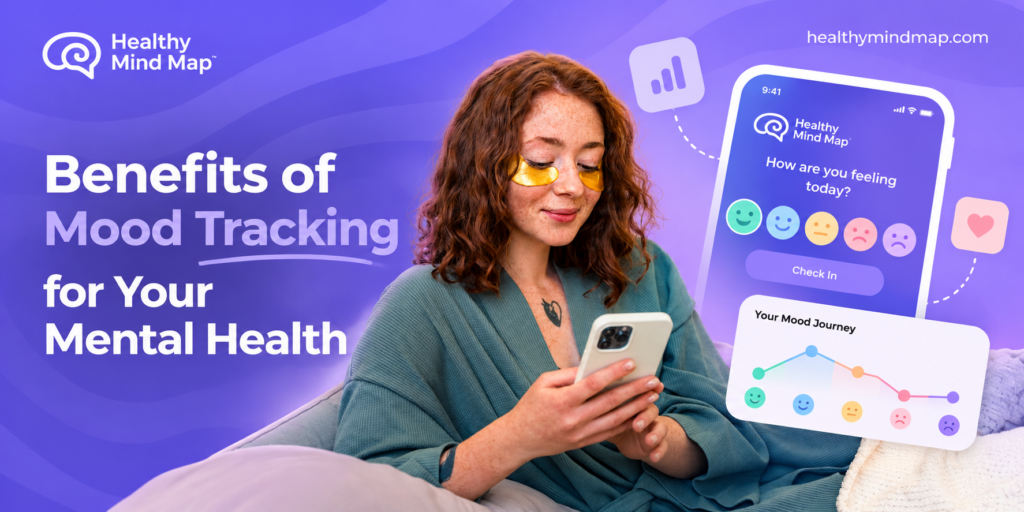


Mood tracking helps you understand your emotions, spot what triggers your good and bad days, notice early warning signs, and see progress you might otherwise miss. Research suggests regular self-monitoring can increase emotional self-awareness, and naming your feelings may make them less intense. Mood records can also make therapy sessions more focused.
Rating your mood once a day sounds almost too simple to matter. Yet people who stick with it often say it changed how they understand themselves. Here are nine benefits of mood tracking, what the research says about each one, and the limits worth knowing.
Find out what really lifts your mood. Track your check-ins and activities in one place.
Most of us move through the day on autopilot and only notice our mood when it becomes hard to ignore. A daily check-in creates a short pause to ask, “How am I actually feeling?”
That pause builds emotional self-awareness, and it matters. In a randomized controlled trial of young people with mild or greater depressive symptoms, those who monitored their mood, stress and daily activities on a mobile phone showed greater emotional self-awareness. That increase was linked to a reduction in depressive symptoms.
When you log a mood, you usually pick a word for it: anxious, frustrated, lonely, calm. That small act may help regulate the emotion itself.
In a brain imaging study, putting feelings into words reduced activity in the amygdala, the part of the brain that reacts to threats and strong emotions, compared with other ways of processing the same upsetting images. Researchers call this “affect labeling.” It’s one reason a check-in can leave you feeling a little steadier than before.
One bad day is just a bad day. Thirty days of check-ins can show you that your low days often follow poor sleep, long meetings, skipped meals or Sunday evenings.
People who use mood tracking apps say this is one of the most valuable parts. In interviews, users described how tracking helped them reflect and connect their moods to possible triggers. Once you see a pattern, you can plan around it instead of being caught off guard each time.
General advice says sleep, exercise and time outdoors are good for mental health. Mood tracking shows you how much they matter for you.
When you add a few notes to each check-in, like hours slept, whether you moved your body, or who you spent time with, you build personal evidence. You might find that a 20-minute walk lifts your evening mood, or that anything under six hours of sleep tends to mean a low next day. Small, consistent daily habits that improve mental health become much easier to keep once you’ve seen the results in your own data.
Make your next therapy session count. Share your mood report as a PDF in seconds.
Mood changes often build slowly. A few lower days can stretch into a few low weeks before you realize something has shifted.
A mood record makes gradual changes visible. If your ratings have been sliding for two weeks, you can act earlier: rest more, reach out to someone you trust, or talk to a professional. This is especially useful when you’re already working on anxiety, depression or stress, because each comes with different early signs to watch for.
On a hard day, it’s easy to feel like nothing has changed. Memory isn’t a reliable record of how you’ve been feeling, and a single rough afternoon can color how you remember a whole week.
A mood history gives you something more objective to look back on. You might see that your low days have become less frequent, or that you bounce back faster than you did three months ago. That evidence can be encouraging when progress feels invisible.
“How has your week been?” is a hard question to answer accurately. With a mood record, you can show your therapist how the last few weeks went instead of relying on memory.
Interviewed users said mood data helped them have clearer conversations with their therapists and family. In therapy research, regularly measuring how clients are doing and sharing that feedback with the therapist has been linked to better outcomes, especially for clients at risk of not improving. Sharing your data also helps you and your therapist judge whether therapy is working over time, not just on the day of the session.
In Healthy Mind Map, you can export your mood reports as a PNG image or PDF and share them through any app on your phone. You decide what to share and with whom.
A check-in only takes a minute or two, but it’s a minute spent paying attention to yourself. For many people, it becomes a gentle anchor in the day, a moment to breathe and notice before moving on.
Because it’s quick, it’s also one of the easiest self-care habits to keep. A daily mood check-in works best when it happens at the same time each day, and a reminder takes the effort out of remembering.
Once you have a baseline, mood tracking turns into a simple personal experiment. Try going to bed 30 minutes earlier for two weeks, or adding a short walk after lunch, and watch whether your ratings change.
This shifts you from guessing to knowing. Instead of trying every wellness tip at once, you can keep what works for you and drop what doesn’t.
Mood tracking is a self-awareness tool, and it works best when you know its limits:
Most of these pitfalls come down to a few mood tracking mistakes that are simple to avoid once you know them.
You don’t need a complex system. Check in once or twice a day at the same times, rate your mood on a 1 to 5 scale, name the main emotion, add one or two notes, and review your entries once a week. Our step-by-step guide on how to track your mood walks through each part, with a free template and a sample week.
If you’d like reminders and automatic charts, the free Healthy Mind Map mood tracker app lets you check in in a few taps, see your patterns over one week to six months, and get a Week in Review that highlights what changed.
Start seeing these benefits for yourself. Track your mood free on iOS and Android.
Does Mood Tracking Actually Help?
For many people, yes. Research suggests regular self-monitoring can increase emotional self-awareness, which has been linked to fewer depressive symptoms in young people. Users also report that tracking helps them spot triggers and talk more clearly with their therapists. It works best combined with regular review and, where needed, professional support.
How Long Does It Take to See the Benefits of Mood Tracking?
Some benefits, like feeling more aware of your emotions, can show up within days. Patterns linked to sleep, routine or certain days usually become clear after two to four weeks of regular check-ins.
Can Mood Tracking Make You Feel Worse?
It can for some people, especially if they track very often or only log bad days. Keeping check-ins short, logging good days too, and reviewing weekly rather than constantly can help. If tracking makes you feel worse, take a break or reduce how often you check in.
Is Mood Tracking Good for Anxiety and Depression?
Mood tracking can support people managing anxiety or depression by showing triggers, early warning signs and progress over time. It is not a replacement for professional care, but it can make conversations with a therapist or doctor more productive.
What Should I Track Besides My Mood?
Start with three to five factors you suspect affect you, such as sleep, exercise, social contact, work stress, caffeine or screen time. Adding a short note about anything unusual that day also helps explain why a rating stands out.


Join Healthy Mind Map today. Your first step toward understanding your mental health.